HI

The Olympic Peninsula 

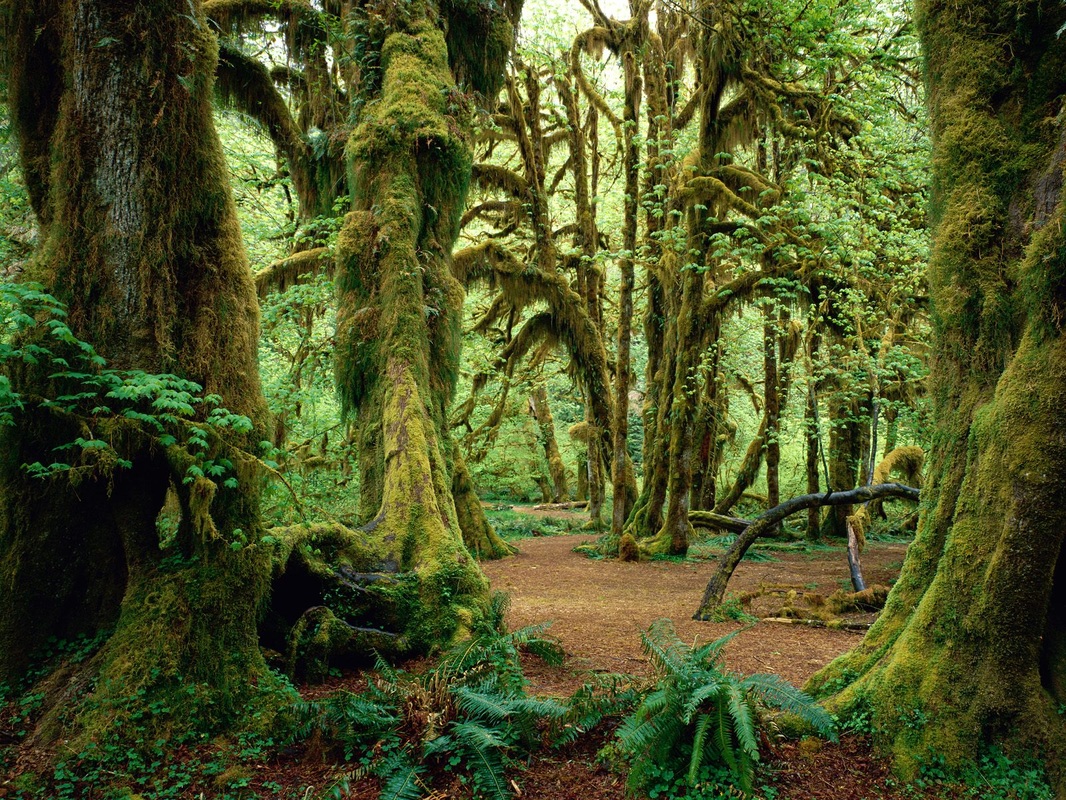
  • Rain—lots of it. Storms off the Pacific Ocean drop much of their moisture on these west-facing valleys. Precipitation in Olympic's rain forest ranges from 140 to 167 inches (12 to 14 feet) every year.

  • Moderate temperatures. In these low elevation valleys the temperature seldom drops below freezing and summertime highs rarely exceed 80°F.

  • Epiphytes, or plants growing on other plants. Mosses, spike mosses, ferns and lichens festoon tree trunks and branches, giving the forest a "jungle-like" feel.

  • Large, old trees. The dominant species are Sitka spruce and western hemlock, but other conifers and several deciduous species grow as well. Many are 100s of years old and can reach 250 feet in height and 30 to 60 feet in circumference.

  • Nurse logs. Because of the densely covered ground, many seedlings instead germinate on fallen, decaying trees. As they grow, their roots reach to the ground. When the log eventually rots away, a colonnade, or row of trees on stilt-like roots, remains.

  • Dead wood. When the massive trees die, they eventually fall, but can take centuries to slowly decay back to the soil. Throughout their long death, they provide important habitat for whole communities, including mosses, tree seedlings, fungi, small mammals, amphibians, and insects.

  • Roosevelt elk. The thick, layered canopy above moderates the temperature year-round for wildlife, including the largest wild populations of Roosevelt elk in the U.S. On the forest floor, elk browsing shapes the appearance of their forest home.

http://www.olympicpeninsula.org/
Picture
just offshore, whales, dolphins, sea lions, seals, and sea otters feed in the Pacific Ocean. Invertebrates of countless shapes, sizes, colors and textures inhabit the tide pools.

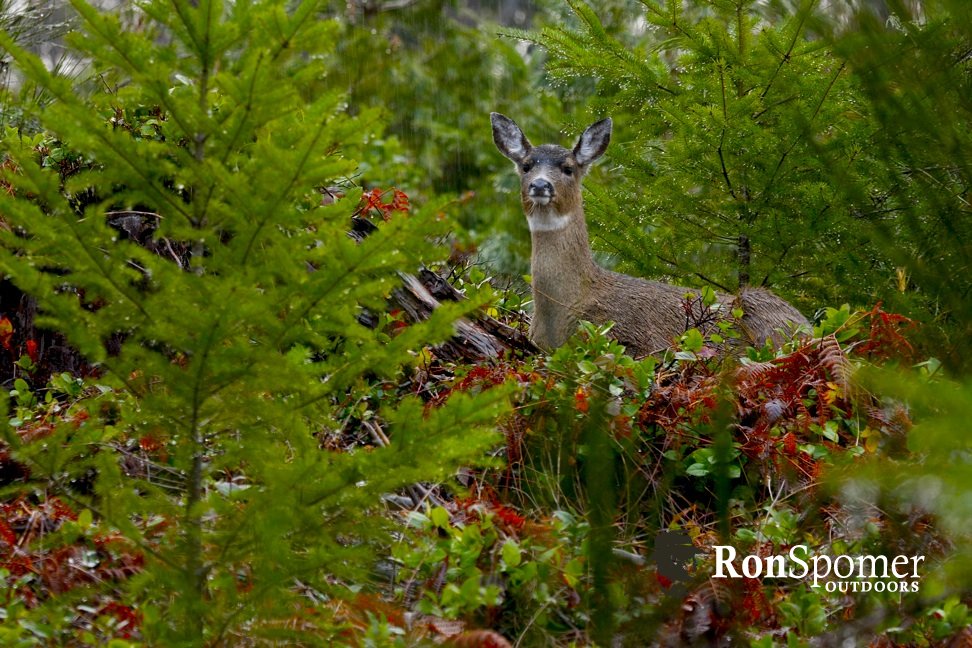
On land, some species, like raccoons, beaver and mink, live mostly in the lowlands. But others, like deer, elk, cougars and bears, range from valleys to mountain meadows. Park waters are home to some of the healthiest runs of Pacific salmon outside of Alaska. Over 300 species of birds live in the area at least part of the year, from tiny penguin-like rhinoceros auklets offshore to golden eagles soaring over the peaks.
Picture

http://www.olympicpeninsula.org/general-resources/olympic-peninsula-weather

http://www.explorepacificnwtribes.com/culture.html

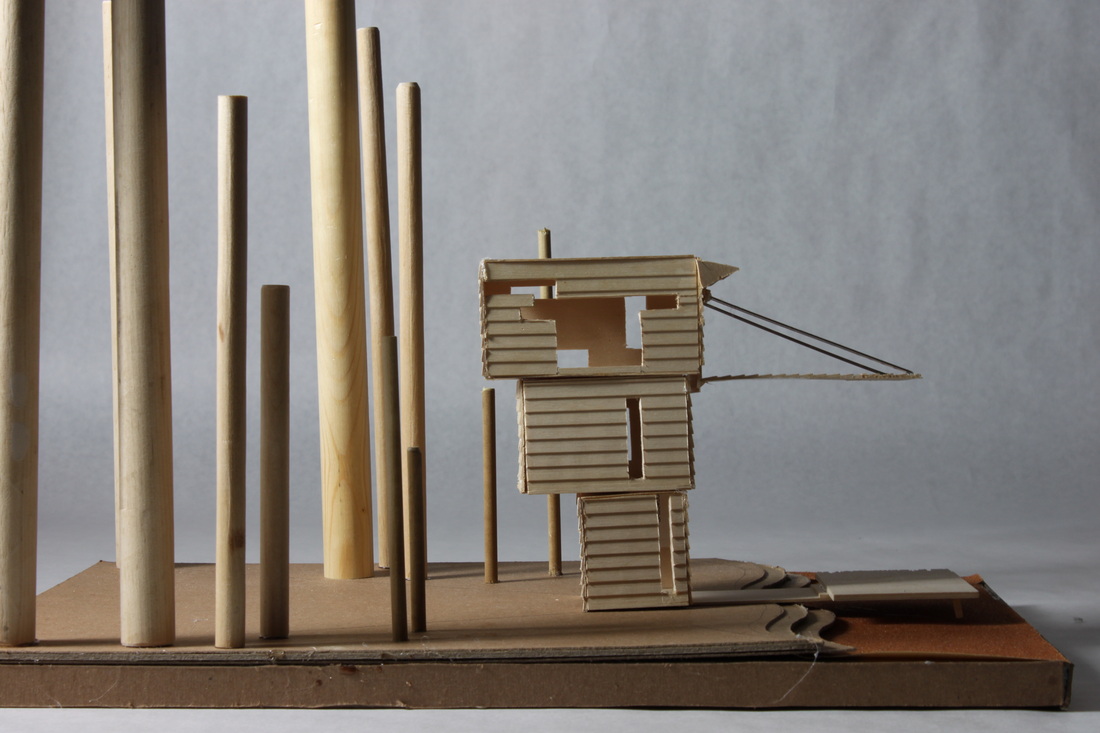
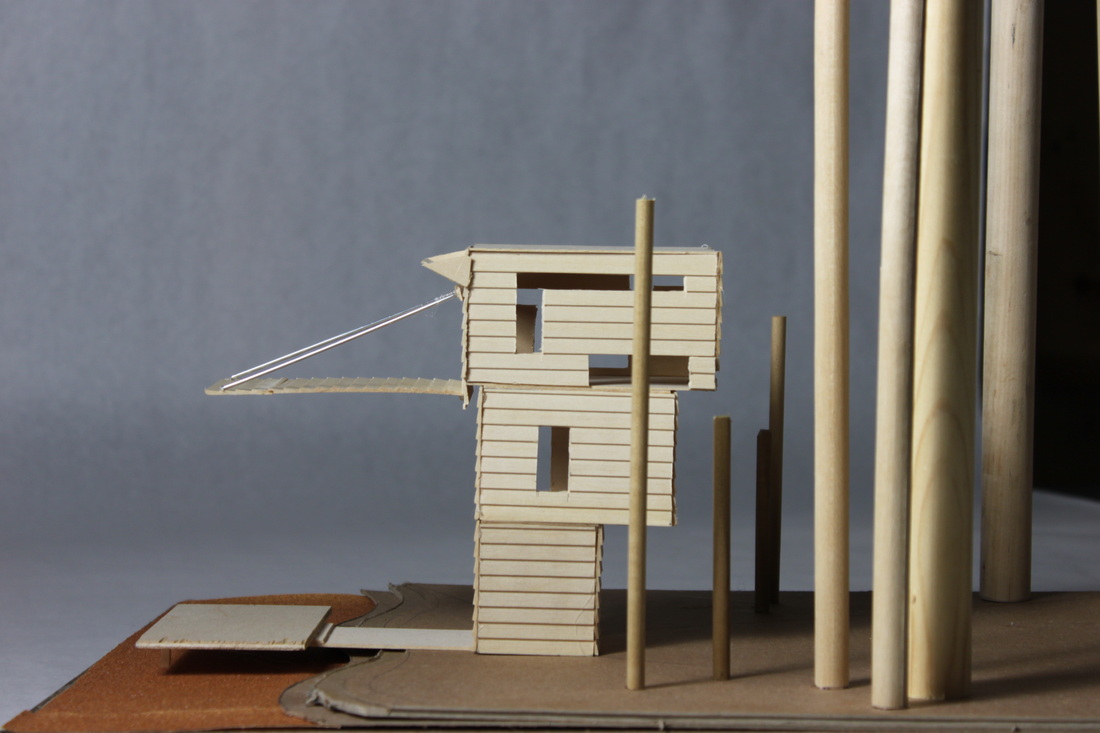
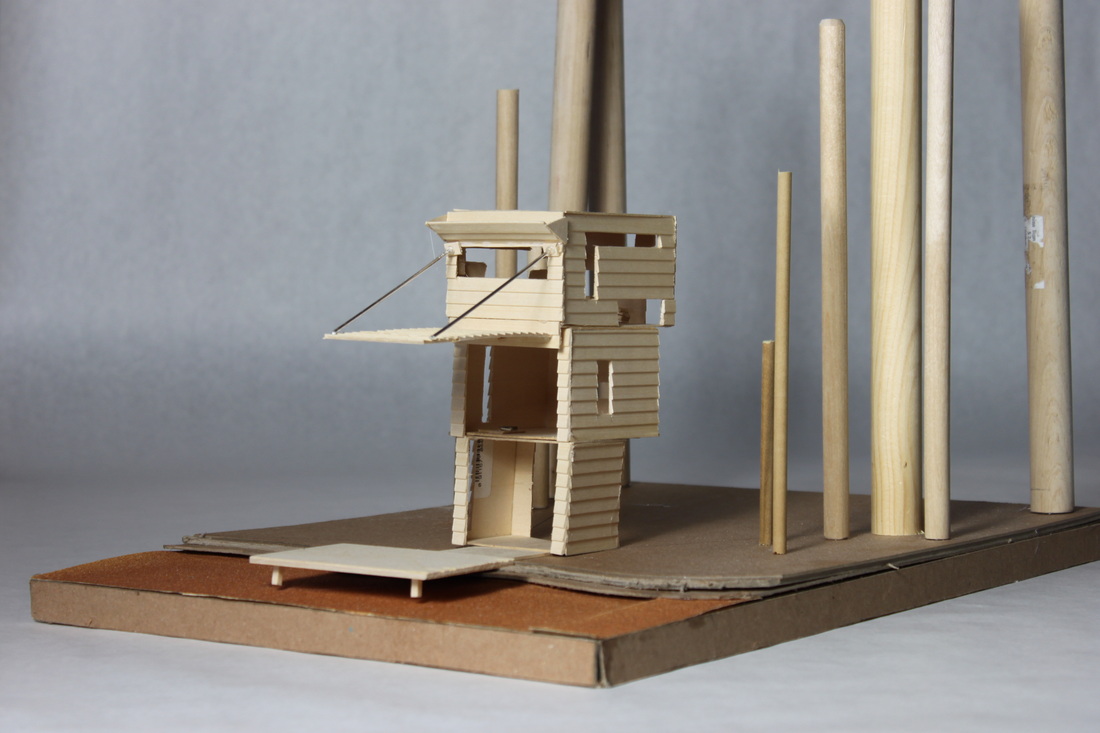
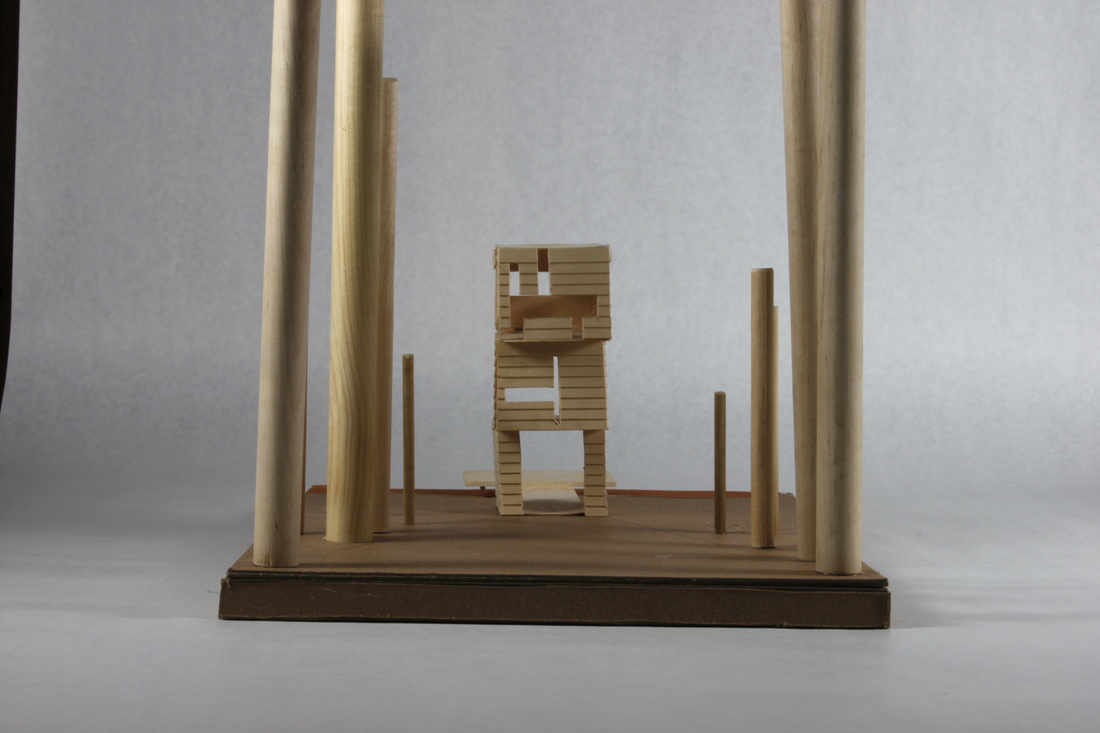
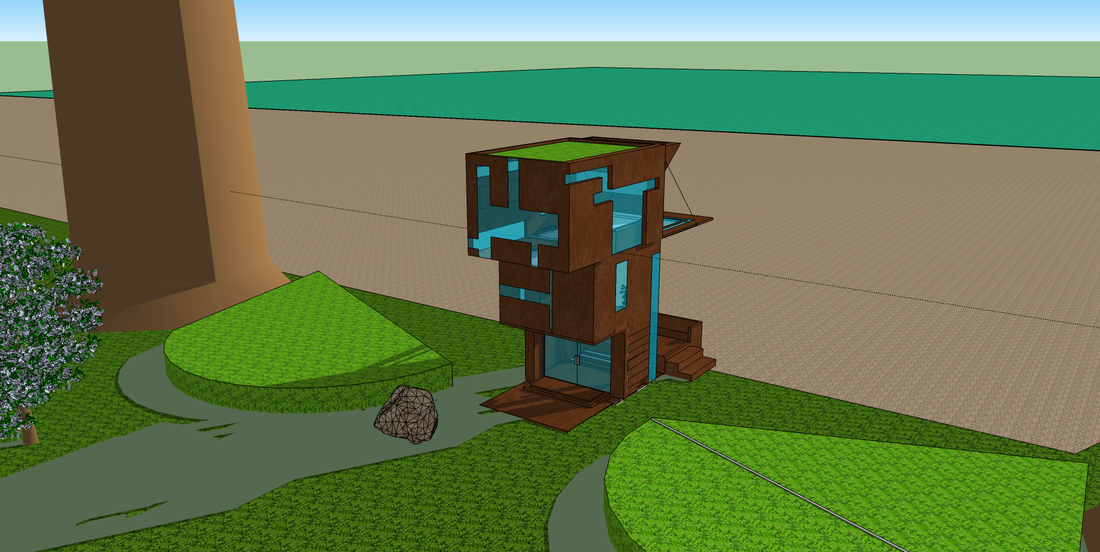
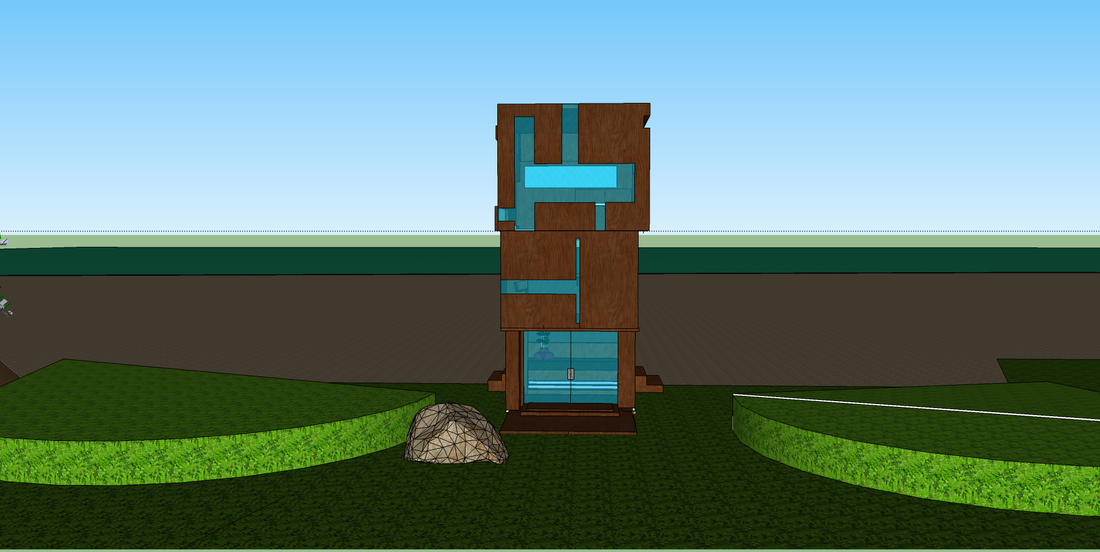
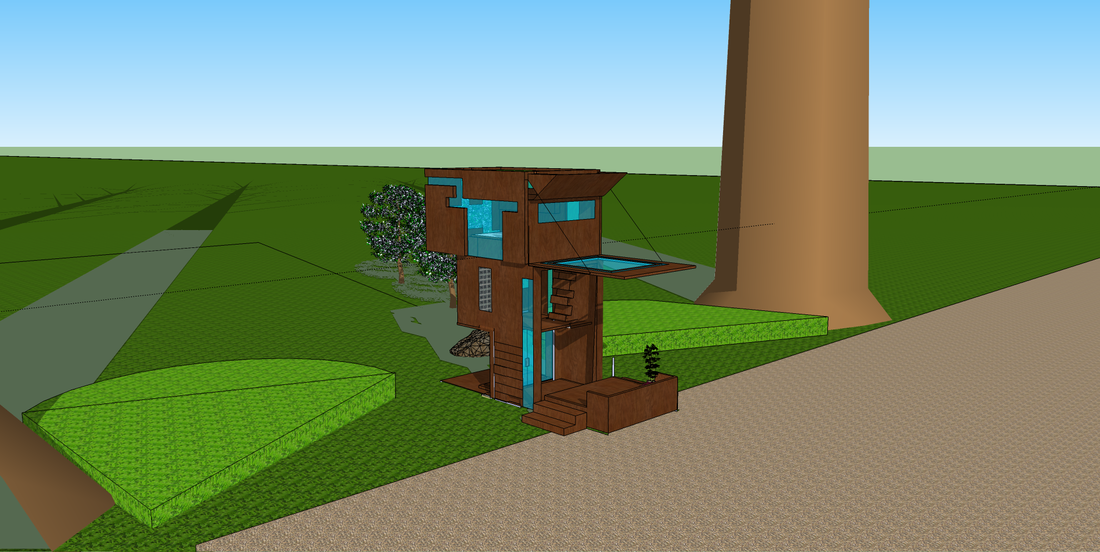
The Camping Hut 

Picture
Picture
Picture
Picture

Three stories/one bath/deck
Picture
Picture

Picture
Powered by Create your own unique website with customizable templates.
  • Home
  • Home